 AOWEIDA
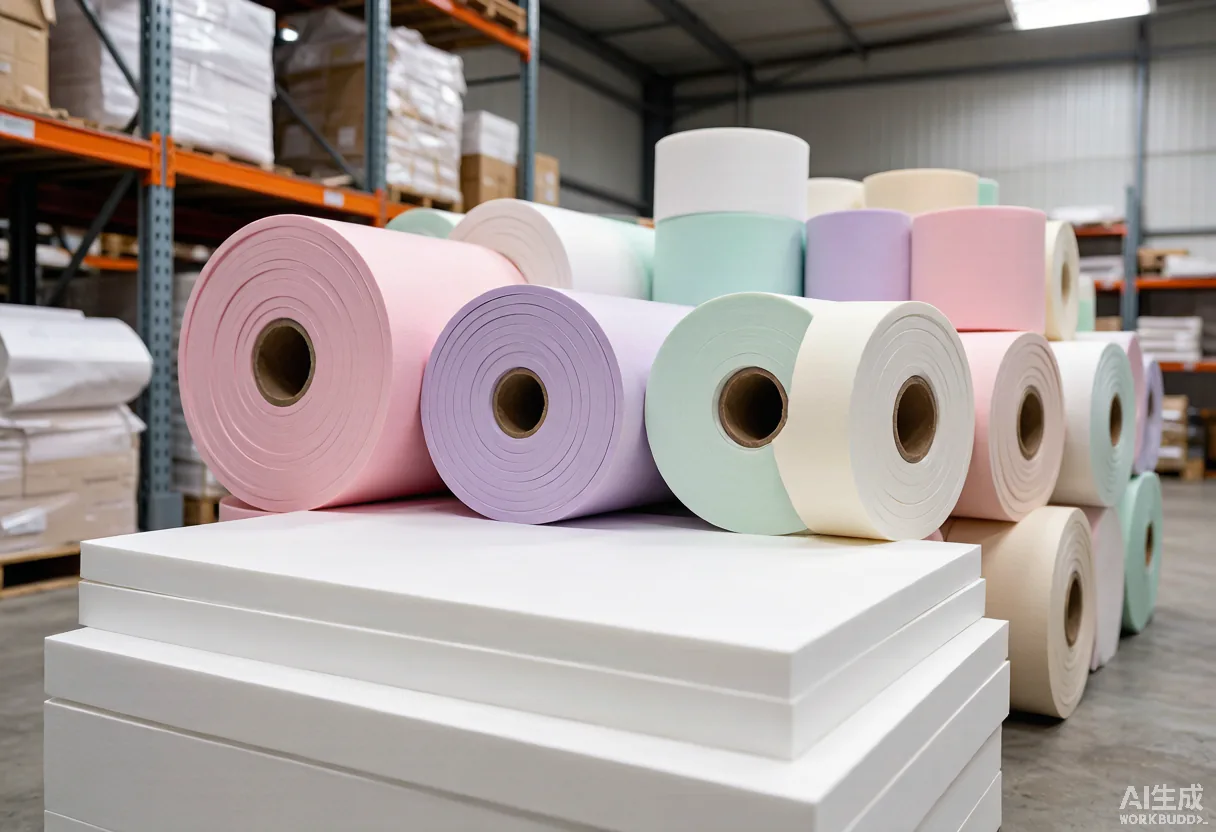
EVA foam — short for ethylene-vinyl acetate — is a closed-cell foam made by blending ethylene and vinyl acetate copolymers and expanding them with a blowing agent. The result is a lightweight, flexible, and resilient material that has become the default choice for thousands of consumer and industrial products.
How EVA foam is made
The standard route is foaming and compression molding. Resin pellets are mixed with a blowing agent and colorants, heated until they expand into a continuous sheet, then cut or molded to shape. For high-precision parts, CNC routing or die-cutting follows.
Key properties buyers care about
- Low density, high cushioning — excellent shock absorption at a fraction of rubber’s weight.
- Chemical & UV resistance — stands up to oils, solvents and sunlight far better than many plastics.
- Non-toxic & odor-free when formulated to REACH / RoHS — safe for toys, footwear and food-contact-adjacent uses.
- Easy to fabricate — cuts, glues, heat-presses and laminates cleanly.
Where EVA wins
Compared with solid rubber, EVA is lighter and cheaper to shape. Compared with PVC, it is more flexible and eco-friendlier. That is why you find it in shoe midsoles, yoga mats, protective packaging, automotive trim and floating devices.
For a deeper comparison, see our guide on EVA vs PVC vs Rubber, and our specification checklist before you place an order.